
Oak stairs made to order — a natural continuation of your floor
Every staircase is different. That is why we measure on site and make each step individually from solid or engineered European oak — with the right color, finish and profile for your interior. Production and installation are carried out by one team.
Oak stairs in finished interiors
Selected projects in private homes, hotels and public spaces. Every staircase is measured, designed and made individually — with a construction, color, profile and finish matched to the architecture and the character of the interior.


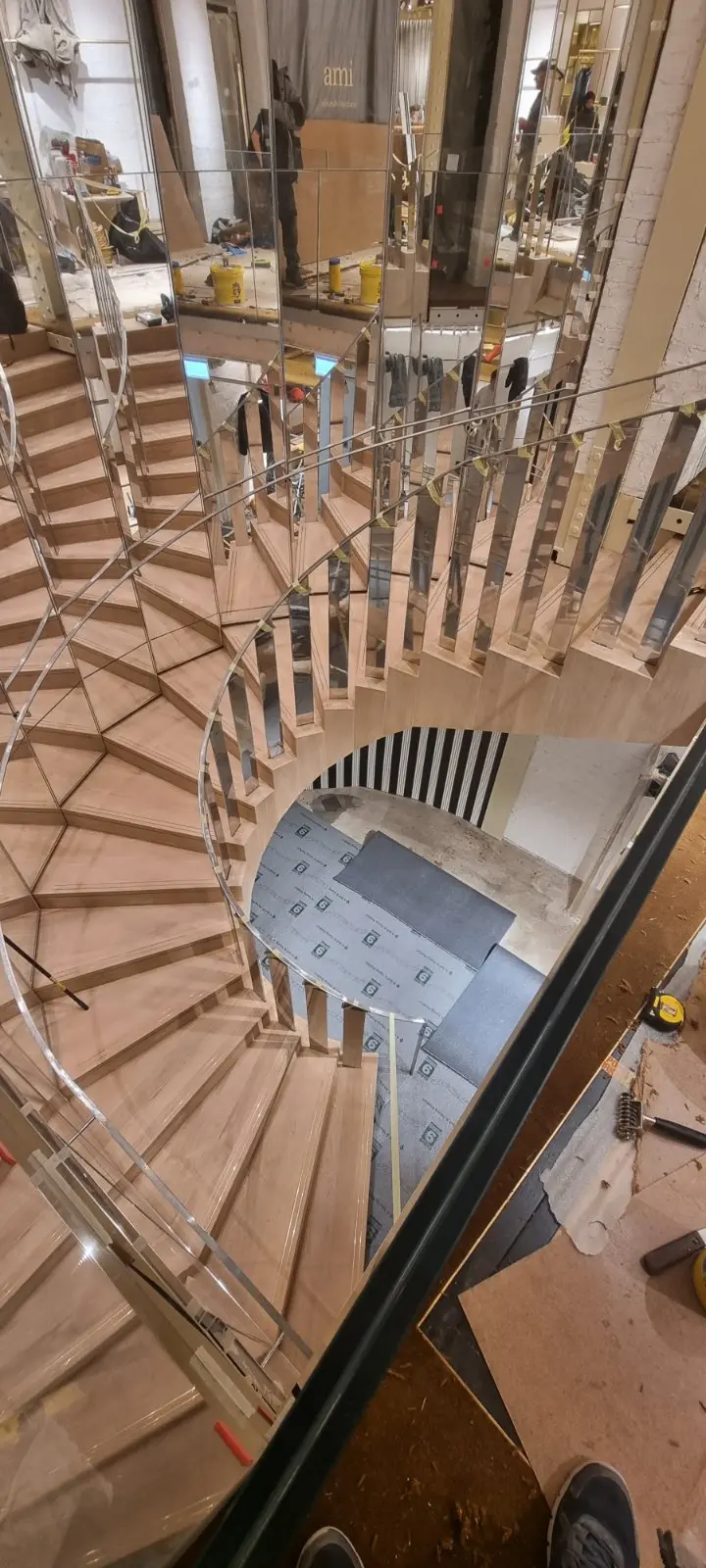


Why choose oak stair treads from Artistico
A good staircase combines precise workmanship, the right construction and a natural connection with the interior. We handle the whole process — from measuring and choosing the oak to production, finishing and installing the finished steps.
Over 25 years of experience with natural wood
We have been making wooden floors and interior solutions since 1998. Our experience with European oak lets us choose the right construction, grade and treatment for every staircase.
Individual measuring and production
Every step is measured and produced according to the actual dimensions, angles and details of the structure. This gives a precise fit with no adjustments on site.
Solid or engineered construction
We offer 20 mm solid oak for classic and representative staircases, as well as engineered steps for a more stable and more cost-effective solution.
Stairs in harmony with the wooden floor
The stairs are matched to the parquet in oak type and grade, color, texture and finish. The result is a smooth visual transition between floors.
A finish to match the traffic and the style
We choose a UV lacquer, UV oil or another suitable system depending on the intended use and how heavily the stairs are used. Where needed, we integrate an anti-slip profile or LED lighting.
One team from measuring to installation
Measuring, design, production, finishing, delivery and installation are all coordinated by Artistico. Clear responsibility and a single warranty for the whole job.
Send us photos of the staircase, the number of steps and the approximate dimensions. We will recommend a suitable construction and prepare an indicative budget.
How an oak step is built
A finished step consists of 5 visible and invisible parts, each with its own function and standard. Made-to-measure production means each of these parts is cut precisely for your staircase — no on-site adaptations, no patching.
We manufacture in both constructions: solid wood (20 mm solid oak from end to end — built for generations), and engineered (4 mm oak on birch plywood — stable under fluctuations and more affordable).
Tread — the horizontal part
The main surface you walk on. Its size, thickness and construction are determined by the shape and specifics of the staircase.
Riser — the vertical part
The element between two consecutive treads on closed staircases. It is made in the same color or in a contrasting one, depending on the interior concept.
Front profile — the nosing of the step
It defines the visible edge and completes the line of the step. It can be straight, rounded or profiled, with the option of an anti-slip groove and integrated LED lighting.
Side cap
Used on staircases with a visible open side to conceal the structural edge and give a clean, precise finish.
Protective finish — lacquer or oil
UV lacquer offers high durability under heavy use, while UV oil preserves the more natural feel and texture of the wood.
Solid, engineered or vinyl stairs?
The three options differ in construction, appearance, durability and the potential for future refinishing. The right choice depends on the base structure of the staircase, the load, the conditions in the room, the budget and the interior effect you are after.
| Characteristic | Solid oak | Engineered oak | Vinyl / SPC |
|---|---|---|---|
| Construction | Natural oak through the full thickness | 4 mm layer of natural oak on a birch plywood core | Decorative and protective layer on a stable SPC core |
| Visible surface | Natural European oak | Natural European oak | Decor imitating wood or stone |
| Feel and character | The most authentic and solid presence of wood | A natural oak feel with a more stable construction | A practical surface with even color and texture |
| Dimensional stability | More sensitive to sudden changes in humidity | Higher stability thanks to the engineered construction | High stability under normal changes in indoor climate |
| Moisture resistance | Require protection and prompt cleanup of spills | More stable than solid wood, but the surface is still natural wood | High surface resistance |
| Option to refinish | Allow repeated sanding and refinishing | Limited refinishing, depending on the thickness of the oak layer | Cannot be sanded — the damaged piece is replaced |
| Maintenance | Periodic care depending on the chosen lacquer or oil | Periodic care depending on the chosen lacquer or oil | Easy everyday cleaning |
| Customization | Size, grade, color, treatment, profile and finish | Size, grade, color, treatment, profile and finish | Choice within the available decors and profiles |
| Matching the floor | Precise match with a solid or engineered wood floor | Precise match with a wood floor | Best transition with SPC flooring from the same collection |
| Service life | Very long with proper maintenance and refinishing | Long; depends on the condition of the oak layer | Depends on the class, the load and the quality of the installation |
| Suitable for | High-end interiors where authenticity comes first and long-term refinishing matters | Interiors that call for natural oak and greater stability | Practical solutions that are easy to maintain |
| Price level | Usually the highest | Balanced compared with solid construction | Usually the most affordable |
No option is universally better. The right construction depends on the base, the dimensions of the steps, the conditions in the room, the load and the final result you want.
Configure your staircase
Every staircase is made to individual dimensions and to the specifics of each project. Together we decide on the construction, the grade and the details, so that the staircase looks like a natural continuation of the floor.
Staircase components
Three key decisions we make together: the type of tread, with or without a riser, and the finishing profile of the front edge.
Tread — the horizontal surface
Made as a solid or engineered tread 16, 19 or 20 mm thick. The front nosing can be made so that the tread looks like solid wood around 40 mm thick.
Riser — the vertical surface
With or without risers, depending on the architecture of the staircase. The same wood species, grade and finish are used for a completely finished look.
Front edge — the nosing of the step
Square, rounded or custom-designed — depending on the style of the interior and the safety requirements.

The oak look — choose the character
Wood is the perfectly imperfect material. The photos show general characteristics, but every natural tread is a unique expression of nature. All treads, whichever look you choose, will have variations in grain and character.
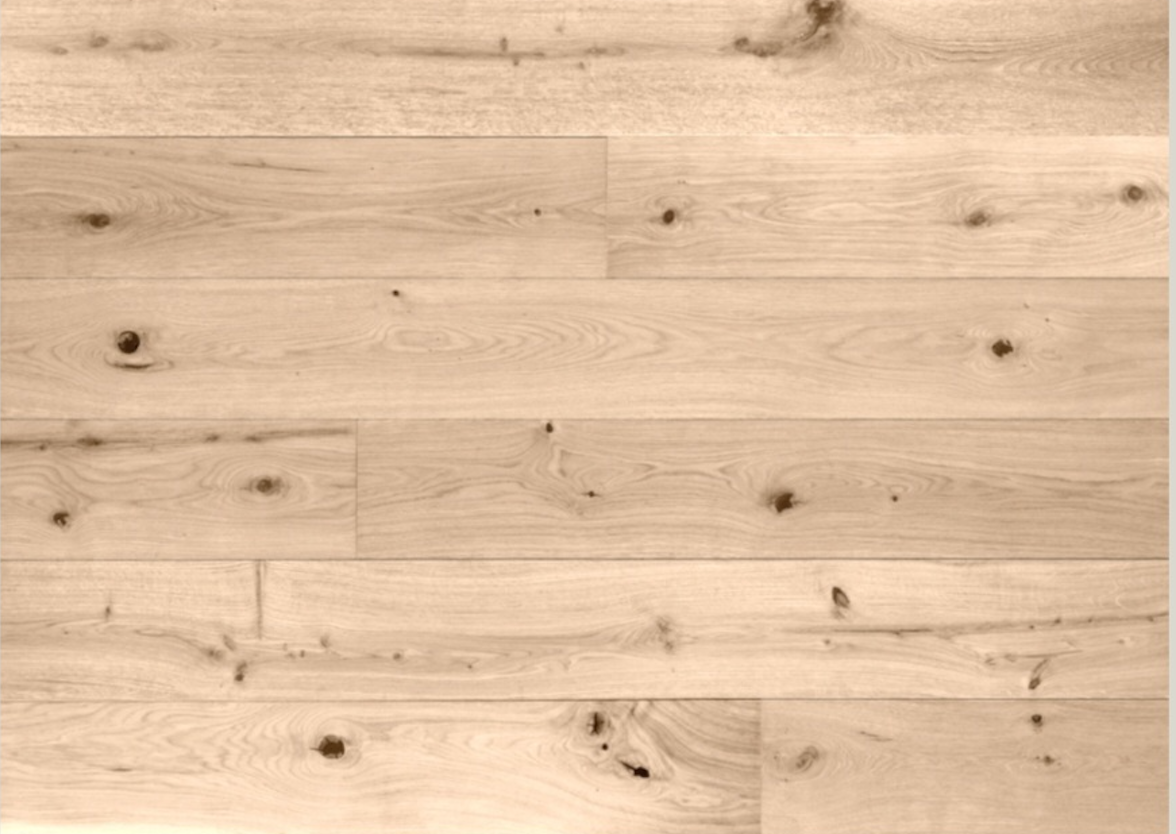
Standard
Puts all of oak's natural tendencies on display. Striking heartwood figuring, beautiful knots and winding streaks of sapwood.
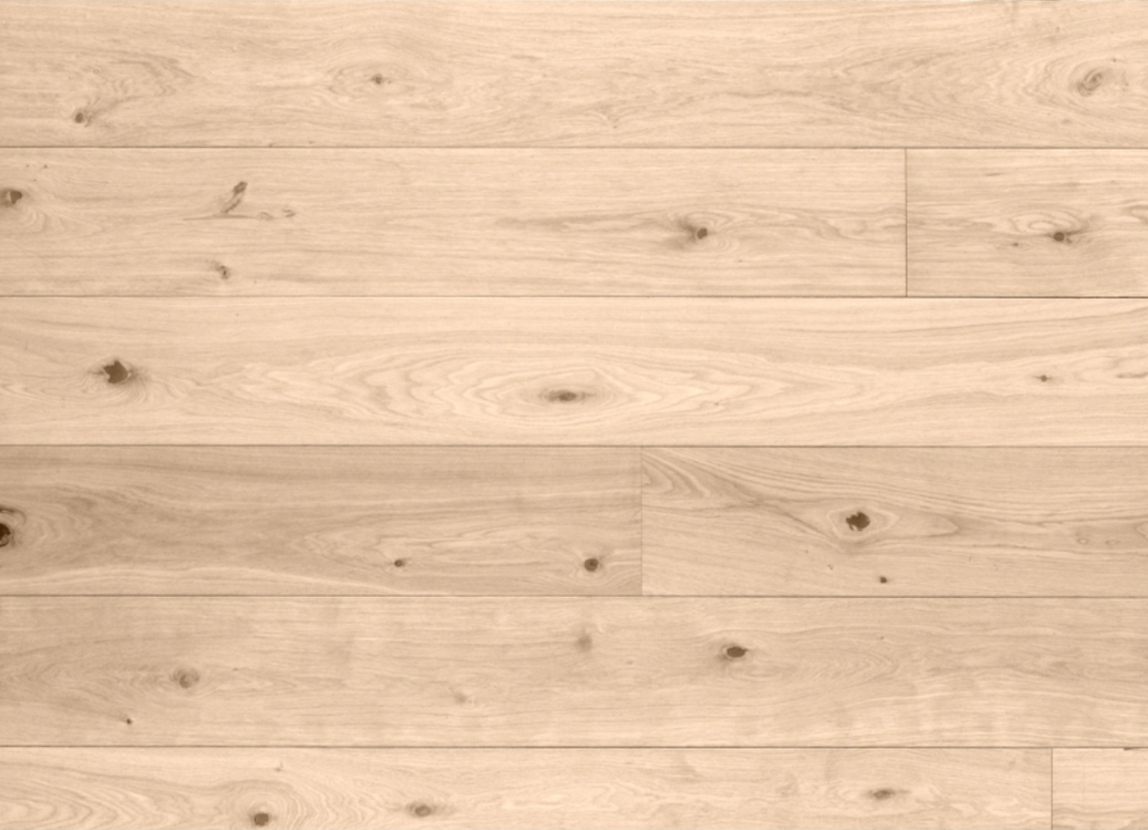
Plus
A balanced grade between a clean look and intriguing character. The universal choice — suitable for classic and contemporary projects.
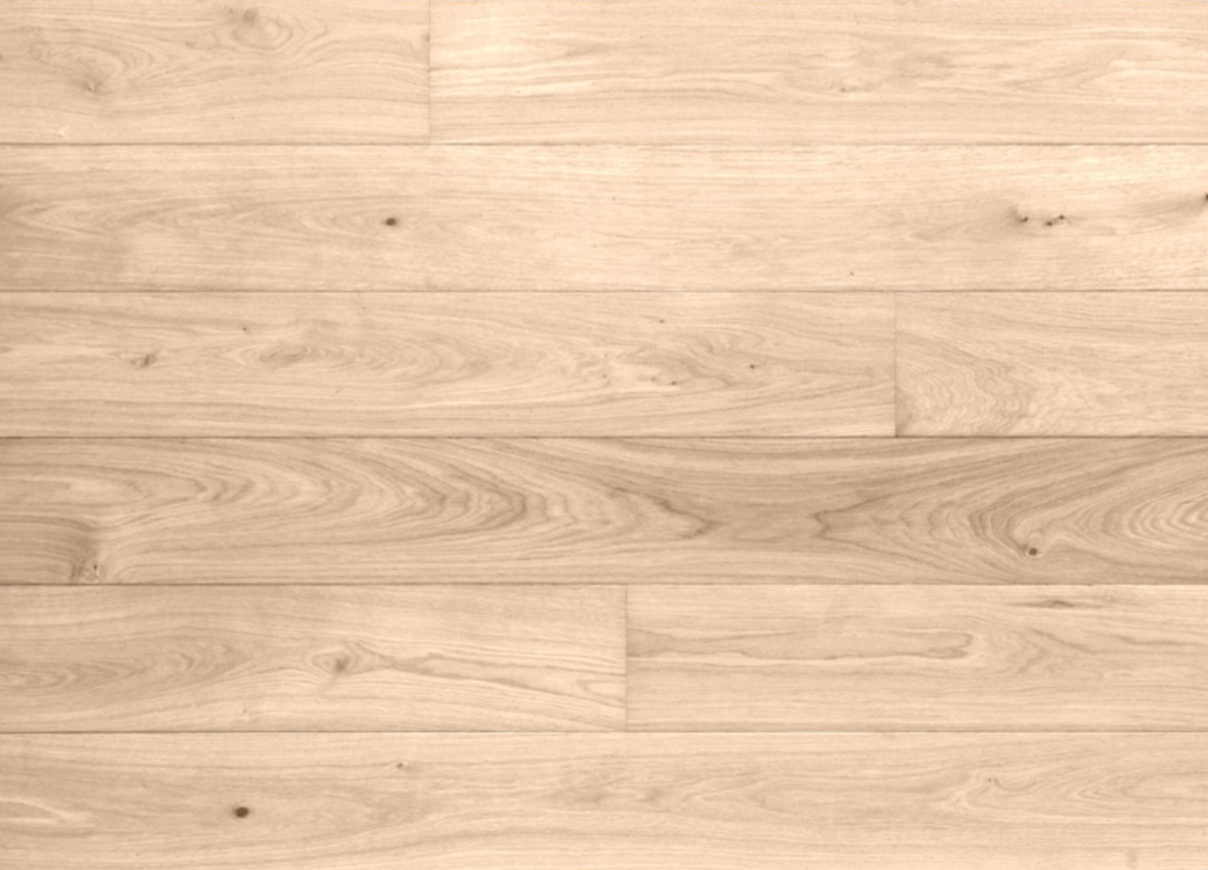
Prima
A clean grade with a subdued look. Little color variation and a predominantly quarter-sawn grain. With vinyl/SPC steps the choice is limited to the available decors and compatible profiles — see Velvet Stone SPC flooring.
Colors and tones
Natural, smoked, whitewashed, hand-patinated, dark tones. Color matching to a sample is possible — if you already have an Artistico floor, the stairs can match the same color with no visible transition. With vinyl/SPC steps the choice is limited to the available decors and compatible profiles — see Velvet Stone SPC flooring.

Finishes
Loba UV lacquer: maximum durability for heavy traffic (hotels, offices, multi-family buildings). Loba hardwax oil: a more natural feel, easy to refresh — for homes with normal use. 2K water-based lacquers: an eco-friendly alternative with high durability.

What determines the price of wooden stairs?
Every staircase has different dimensions, shape and structural features. The price is therefore calculated individually, based on the components required, the wood species and finish chosen, the preparation of the base and the complexity of the installation.
Number, dimensions and shape
The number, width, depth and shape of the steps determine how much material is needed and how complex the work is. Winding and non-standard steps require more individual shaping.
Construction of the steps
The price depends on the choice between solid, engineered and SPC steps. The three options use different amounts of natural oak and differ in how they are produced.
Staircase components
The final figure also depends on the scope — treads only, or a complete solution with risers, landings, side finishing pieces, skirting boards and transitions to the floor.
Oak, color and finish
The oak grade, the chosen color, the surface texturing and the protective finish all affect the price. Brushing, aging, staining, oil or lacquer are selected according to the look you want.
Profiles and special details
The type of front edge — square, rounded or custom-profiled — as well as anti-slip grooves, additional profiles and preparation for LED lighting all change the complexity of the work.
Subfloor, installation and access
The condition and geometry of the subfloor determine the preparation required. The price is also affected by the complexity of the installation, access to the site and its location.
How to get an indicative price: send us the number and approximate dimensions of the steps, photos of the staircase, a drawing (if you have one) and the town or village. You do not need a finished technical design — a few photos and approximate measurements are enough for a first consultation.

Why stairs need a craftsman
A staircase rarely has two elements that are exactly the same. Even a minimal deviation in the first steps can accumulate and affect the level of the landing and the final result. That is why every staircase starts with precise measuring, and each step is made individually for its exact position.
Measuring every step
We arrive with a laser and a range of measuring tools. We record the exact dimensions of every step. Where necessary, we take templates. We check that the concrete steps are uniform in height and width
Individual drawing and production
Every tread is cut individually in our factory — precisely for its position in the staircase. Finished with UV lacquer or hardwax oil.
Finishing the edges and details
The front edge is milled with grooves or fitted with a recessed profile — on top for grip, or underneath for LED lighting.
Fitting and installation on site
Before anything is fixed in place, we check the position and the joint between the individual elements. Glued-down installation onto a prepared concrete or timber subfloor — for precise joints, stability and a clean finished look.

What makes a wooden staircase safe
Safety depends on correct geometry, precise fitting, stable installation and the right surface treatment. That is why we follow the four basic safety requirements in production, even when the client does not ask about them:
A highly durable finish: we recommend UV lacquer or hardwax for treads — not oil-waxes (more sensitive to moisture).
Stable fixing: glue-down installation on a concrete or wooden load-bearing structure — no treads coming loose over time.
Precise geometry: the same height on every step (deviation under 5 mm). Uneven heights make people stumble — this is a regulation, not a whim.
A clearly defined front edge: a suitable nosing profile and, where needed, an anti-slip groove or insert. A visible step edge makes moving up and down the stairs more predictable and safer.
From the first idea to the finished staircase — in 6 steps
One team. One process. One responsibility — from the first consultation and precise measuring through to production, installation and ongoing care.
Consultation and initial information
You send photos, approximate dimensions, the number of steps and information about the material and grade you want. On that basis we discuss the possible solutions and an indicative budget.
Site visit and precise measuring
Laser measurement + templates taken of every irregularly shaped step. Especially important in older buildings, where the steps are not identical. Analysis of the leveling approach
Choice of solution and an individual quote
A real piece of the chosen combination — grade, color, finish. An exact price for your specific project.
Made-to-order production 3–5 weeks
Every tread is cut individually. More complex colors or non-standard shapes — up to 6 weeks.
Delivery and professional installation
Glue-down installation on a concrete or wooden base.
Handover, warranty and care
Cleaning and maintenance recommendations. If needed — finish renewal after 5–7 years.
What everyone asks about wooden stairs
Answers about choosing the construction, price, production, installation and maintenance. If your staircase has an unusual shape or specific requirements, send us photos or plans.
Have a specific staircase in mind?
Send us photos, the number of steps and the approximate dimensions — we will recommend a suitable material and construction.

Ready for the next step?
Send us photos or a design, approximate dimensions and the number of steps. We will look at the specifics of your staircase and suggest a suitable material, construction and an indicative budget — with no obligation.
Request a quote for oak stair treads
Describe your project — number of steps, staircase type, solid or engineered, desired color. We will get back to you within one working day.